Home / Service / Arteriovenous (AV) Fistula
Arteriovenous (AV) Fistula

Understanding
Arteriovenous
(AV) Fistula

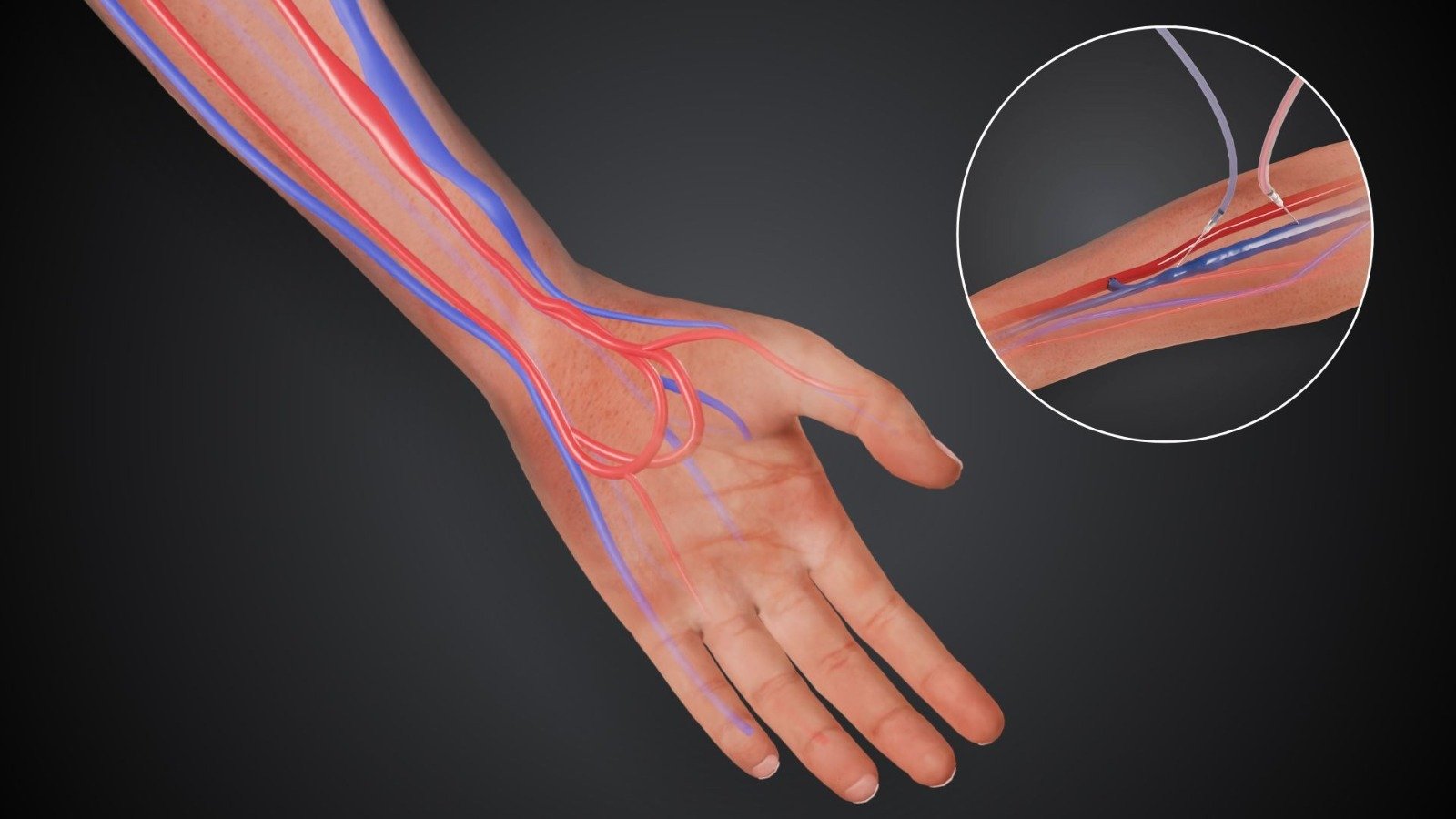
An AV fistula is the gold standard vascular access for hemodialysis. It is created surgically by connecting an artery directly to a vein, which makes the vein stronger and able to handle repeated dialysis sessions.

Book An Appointment →
Arteriovenous (AV) Fistula

Understanding
Arteriovenous (AV)
Fistula

An AV fistula is the gold standard vascular access for hemodialysis. It is created surgically by connecting an artery directly to a vein, which makes the vein stronger and able to handle repeated dialysis sessions.

Compared to catheters or synthetic grafts, fistulas have fewer complications, lower infection risks, and better long-term survival rates. Early planning is essential to allow the fistula to mature before dialysis begins.

Common Symptoms

Common AV Fistula Symptoms

Signs that indicate potential issues with your fistula

01

Strong Pulse at Site

A buzzing or throbbing sensation, known as a thrill, felt over the fistula.
02

Swelling

Mild swelling around the fistula site, especially after creation.

03

Skin Changes

Shiny or stretched skin near the fistula.

04

Arm Discomfort

Occasional ache or heaviness in the arm.

05

Bleeding Issues

Prolonged bleeding after dialysis needle removal.

06

Clotting Signs

Loss of thrill or a sudden change in the sound, known as a bruit.

Causes & Risk Factors

What Can Influence
AV Fistula Success?

Several factors can influence AV fistula success and the risk of complications. Vascular health, existing medical conditions, previous access problems, smoking, age and blood clotting disorders can all affect fistula function and long-term survival.

Kidney Failure

Patients with end-stage renal disease needing dialysis require reliable vascular access for ongoing treatment.

Vascular Health

Healthy veins and arteries are required for a good fistula and can influence its ability to mature and function effectively.

Previous Access Failure

A history of catheter or graft issues may influence the choice and planning of AV fistula creation.

Age & Comorbidities

Older patients or those with diabetes may face higher complication risks that can affect fistula outcomes.

Smoking

Smoking reduces vessel health and can increase the risk of fistula failure.

Blood Clotting Disorders

Conditions that promote clotting can threaten fistula survival and interfere with normal blood flow.

Accurate Diagnosis & Monitoring

Ensuring Your AV Fistula
Functions Effectively.

Regular follow-up helps maintain AV fistula function and detect narrowing, clotting, or reduced blood flow early. Physical examination and Duplex ultrasound help monitor fistula health, while any change in thrill or bruit should be evaluated promptly to prevent fistula failure.

Clinical Assessment

Physical Exam

Checking for thrill (buzz) and bruit (whooshing sound) with a stethoscope.

Vascular Imaging

Duplex Ultrasound

Used to assess blood flow and detect narrowing or clotting within the fistula.
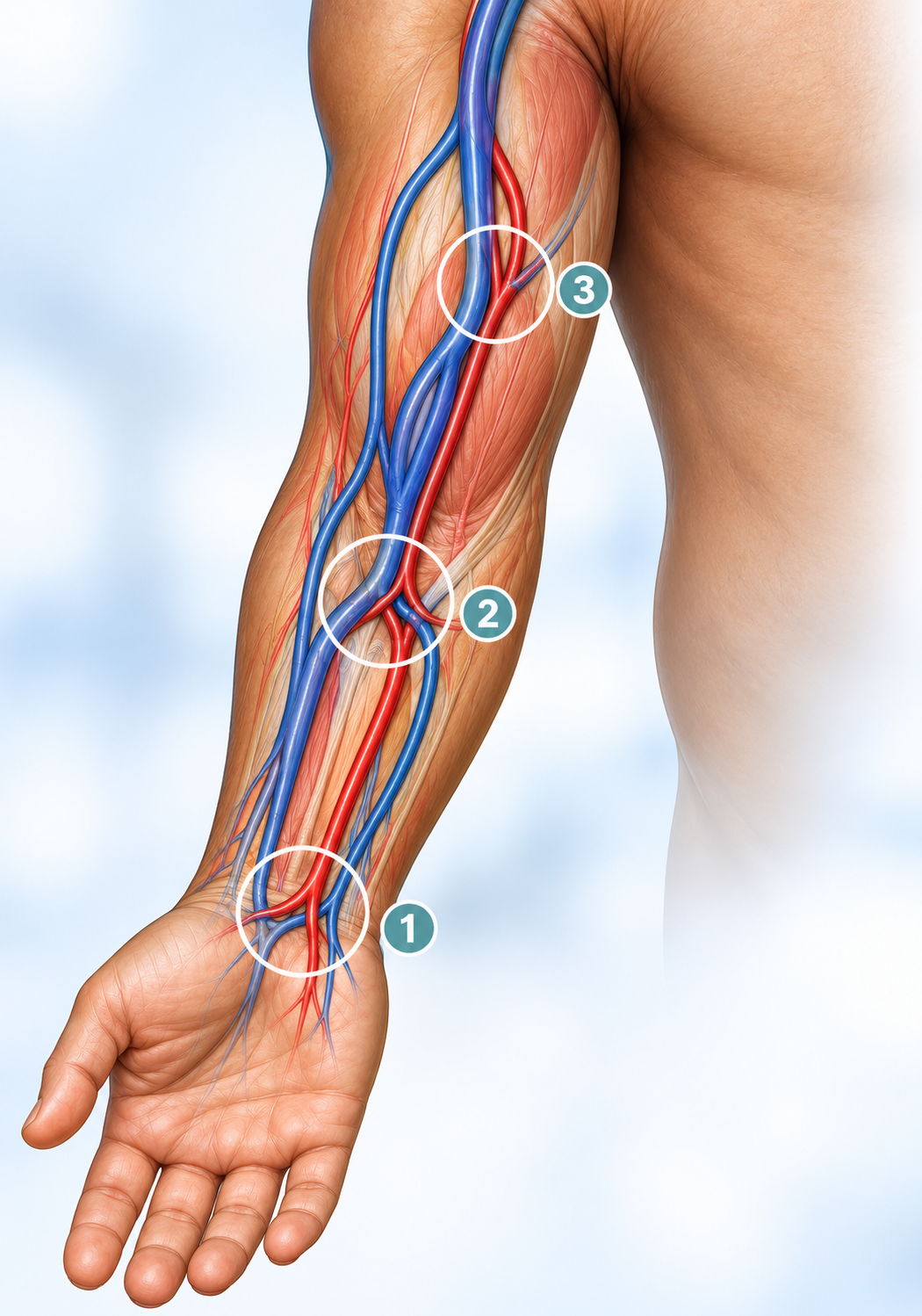
AV fistula diagnosis and vascular assessment AV Fistula Assessment
Vascular Imaging

Venography

X-ray with contrast to visualize vein structure and assess the vascular anatomy.

Dialysis Monitoring

Flow Measurement

Monitoring dialysis adequacy and blood flow through the fistula to help assess its effectiveness.

Advanced Treatment Options

Advanced Treatment for AV Fistula

Treatment is tailored to the condition and function of the fistula. Management may include surgical creation, minimally invasive procedures to restore blood flow, clot removal, stent placement and regular monitoring to maintain reliable dialysis access.
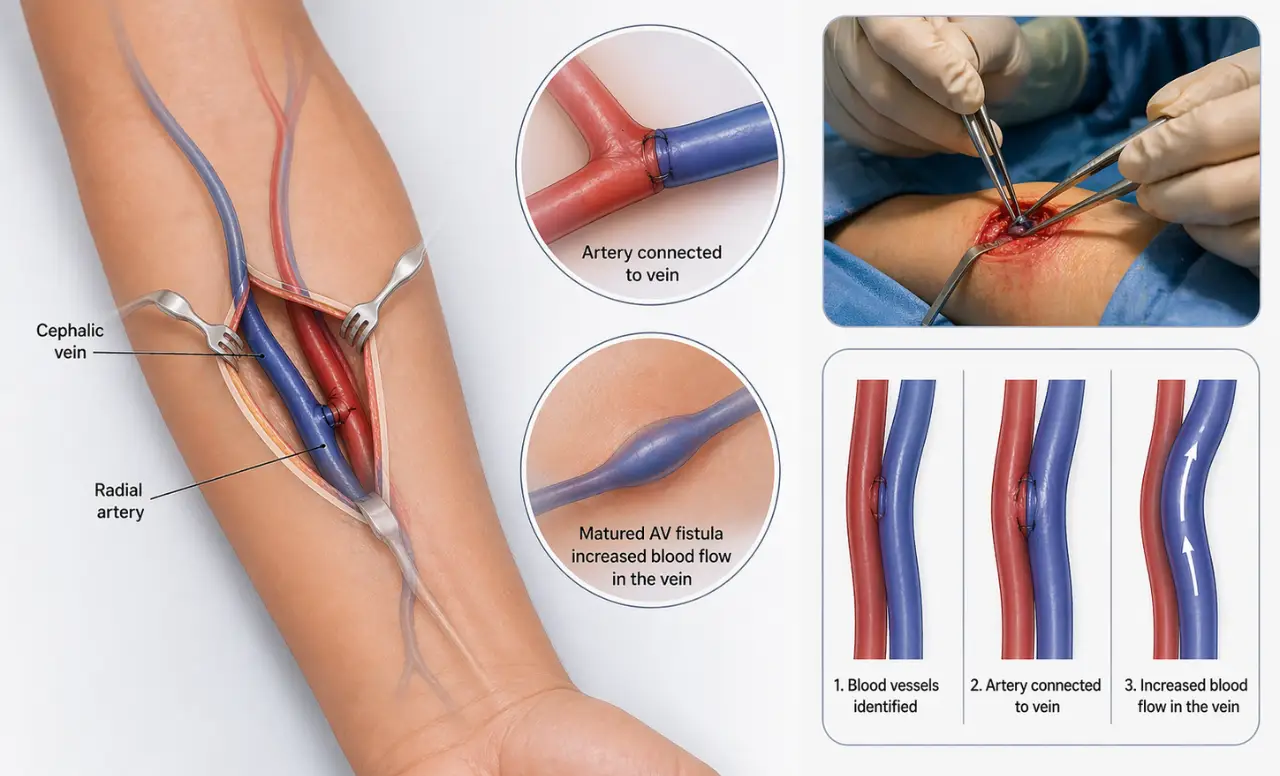
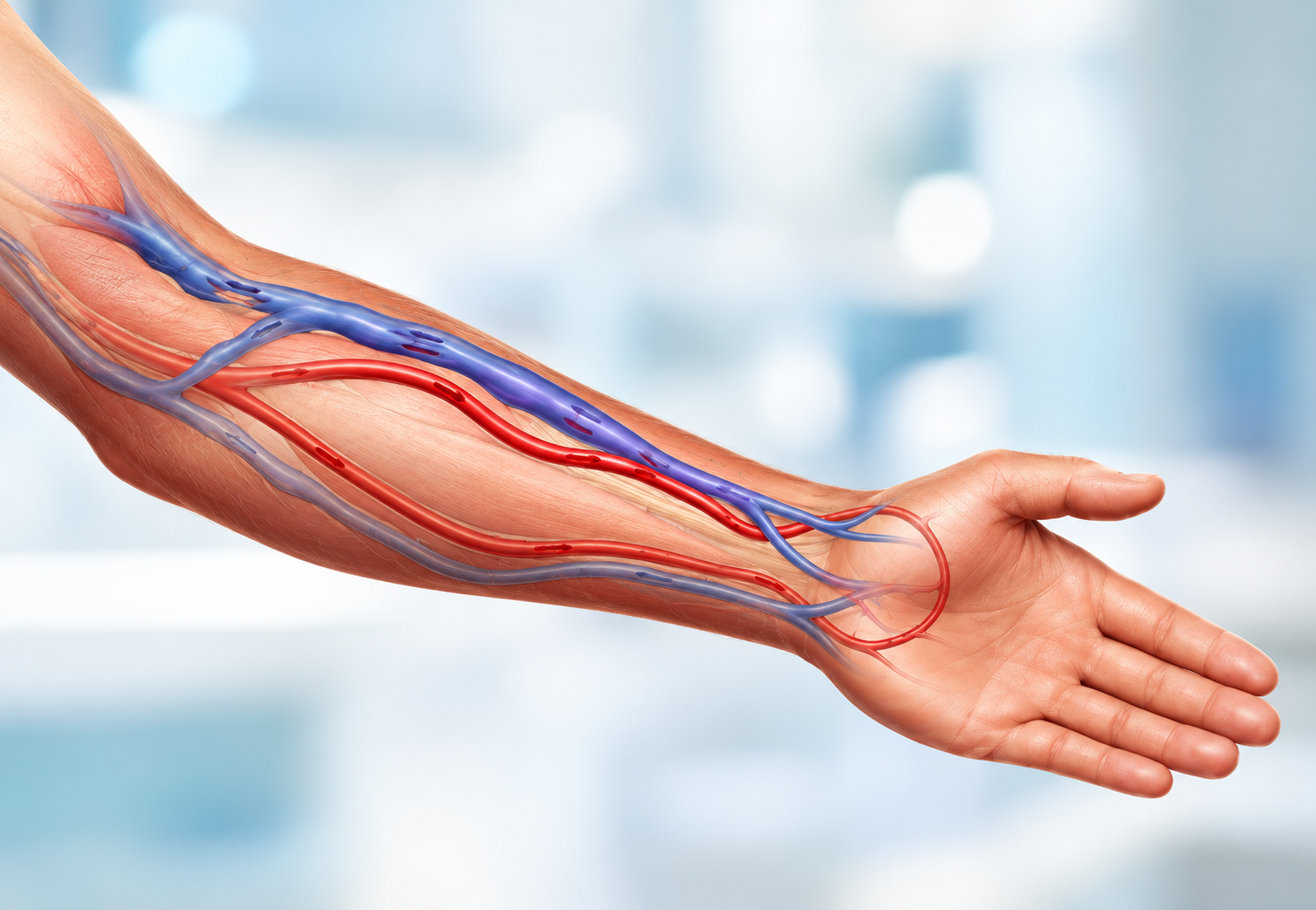
Surgical AV Fistula Creation
01
Dialysis Access

Surgical AV Fistula Creation

Connecting an artery to a vein, usually in the arm, to establish dialysis access.
Key Benefits
  • Preferred vascular access
  • Lower infection risk
  • Long-lasting solution
Fistuloplasty Angioplasty for AV Fistula
02
Flow Restoration

Fistuloplasty
(Angioplasty)

Balloon procedure to open narrowed fistula segments and improve blood flow through the dialysis access.
Key Benefits
  • Restores proper flow
  • Minimally invasive
  • Quick recovery
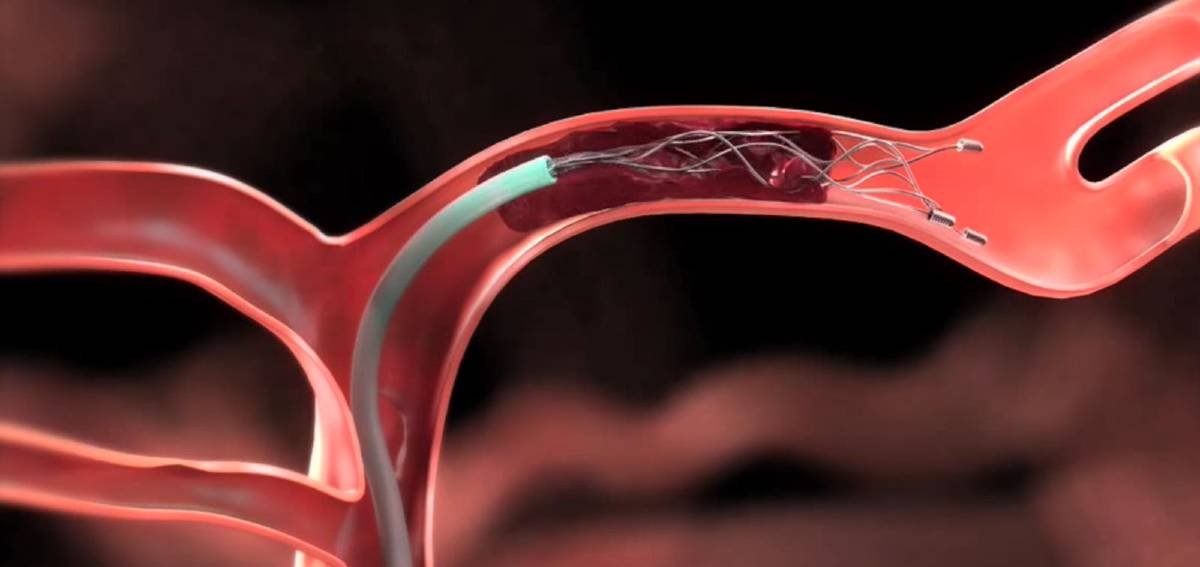
Thrombectomy for AV Fistula
03
Clot Removal

Thrombectomy

Removing blood clots that block the fistula and interfere with normal blood flow through the dialysis access.
Key Benefits
  • Restores use of fistula
  • Immediate relief
  • Outpatient procedure
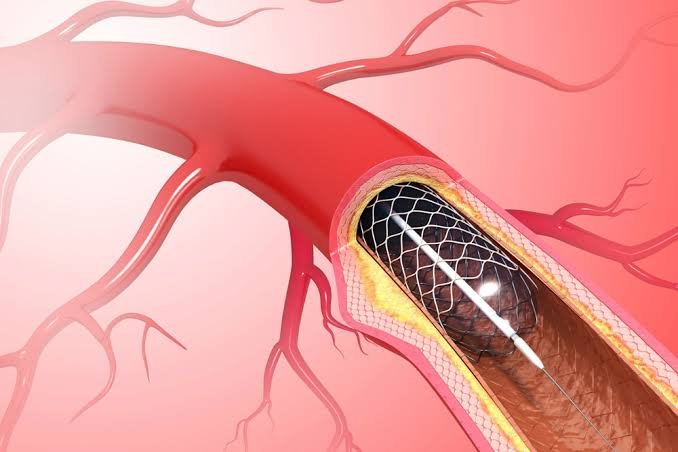
Stent Placement for AV Fistula
04
Vessel Support

Stent Placement

Metal mesh tube used to keep a narrowed vein open and support continued blood flow through the fistula.

Key Benefits
  • Maintains long-term flow
  • Used in recurrent narrowing cases
AV Fistula Monitoring and Care
05
Long-Term Care

Monitoring & Care

Regular check-ups and ultrasound to ensure proper functioning and identify problems affecting the fistula early.

Key Benefits
  • Prevents failure
  • Detects early issues
  • Improves lifespan of fistula
Book Your Appointment

Let's Talk About Your AV Fistula

If you are experiencing changes in the thrill or bruit, swelling, prolonged bleeding after dialysis, arm discomfort or other concerns with your fistula, schedule a vascular evaluation to assess its function and determine the appropriate treatment approach.

Specialist Consultation

Discuss your fistula-related symptoms and concerns during a focused vascular consultation.

Individual Assessment

Your fistula can be assessed for changes in blood flow, thrill, bruit and other clinical findings.

Treatment Discussion

Appropriate treatment options can be discussed based on your examination and diagnostic findings.

Request a Consultation

Fill in your details and our team will get in touch with you regarding your appointment.

Your information is submitted securely for appointment coordination.
Scroll to Top