Home / Service / Deep Vein Thrombosis
Deep Vein Thrombosis

Understanding
Deep Vein Thrombosis

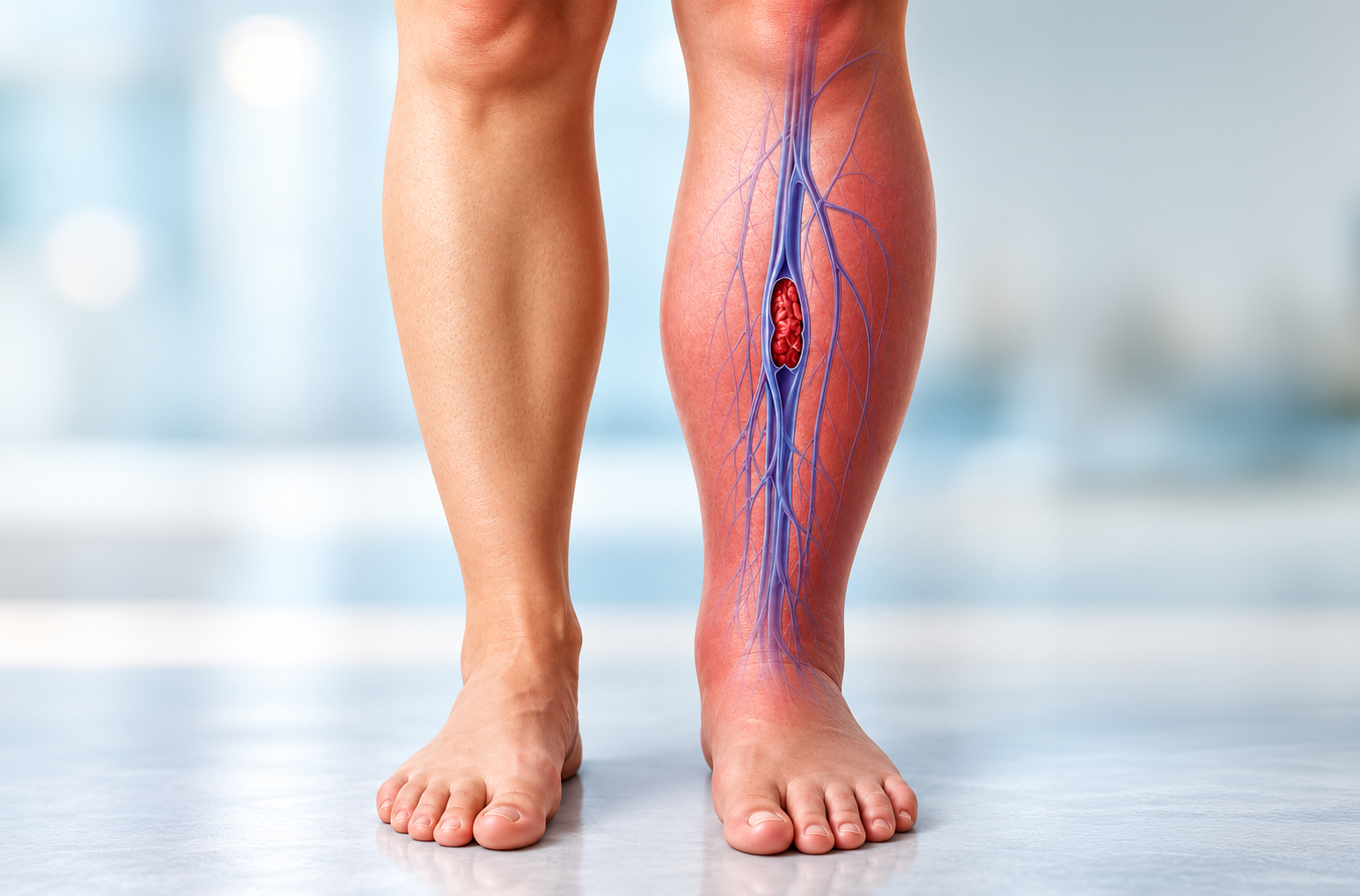
DVT is the formation of a blood clot in a deep vein, most often in the legs. If untreated, it may cause serious complications like pulmonary embolism, chronic pain, or swelling known as post-thrombotic syndrome.

Book An Appointment →
Deep Vein Thrombosis

Understanding
Deep Vein
Thrombosis

DVT is the formation of a blood clot in a deep vein, most often in the legs. If untreated, it may cause serious complications like pulmonary embolism, chronic pain, or swelling known as post-thrombotic syndrome.

Our vascular team emphasizes early diagnosis and comprehensive treatment to prevent complications, restore circulation, and protect long-term health.

Symptoms of Deep Vein Thrombosis

Common Symptoms

Symptoms of Deep Vein Thrombosis

Recognize the warning signs early to prevent complications.

01

Leg Swelling

Usually affects one leg and may appear suddenly with noticeable swelling or tightness.
02

Pain or Tenderness

Often begins in the calf and may feel like cramping, soreness, pressure, or tenderness.

03

Warmth

The affected leg may feel warmer than the opposite side because of inflammation around the clot.

04

Red or Discolored Skin

Skin over the affected area may appear reddish, bluish, or visibly different from the other leg.

05

Heaviness

The affected leg can feel unusually heavy, tight, or uncomfortable during standing and movement.

06

Pulmonary Symptoms

Sudden chest pain or shortness of breath may signal a pulmonary embolism and require urgent care.

Causes & Risk Factors

What Can Lead to
Deep Vein Thrombosis?

DVT can develop when blood flow through a deep vein becomes slowed or when the blood has an increased tendency to clot. Several conditions and lifestyle factors can increase the risk of developing a deep vein thrombosis.

Immobility

Prolonged sitting during travel, bed rest, or recovery after surgery can slow blood flow through the veins.

Injury or Surgery

Trauma or surgical procedures can affect blood vessels and increase the body's natural tendency toward clot formation.

Medical Conditions

Cancer, heart disease, or certain clotting disorders can increase the likelihood of developing a venous blood clot.

Hormonal Factors

Pregnancy, birth control, or hormone therapy can alter clotting activity and increase the risk of developing DVT.

Obesity

Extra body weight can increase pressure on the veins and contribute to slower circulation in the lower limbs.

Smoking

Smoking can damage blood vessels and affect healthy circulation, contributing to an increased risk of clotting.

Accurate Diagnosis Process

Identifying the
Presence of a Blood Clot.

Diagnosing DVT typically starts with a detailed medical history and physical examination. Duplex ultrasound is the gold-standard test, while additional blood or imaging tests may be used when further evaluation is needed.

Clinical Assessment

Physical Exam

Examination of the affected leg checks for swelling, tenderness, warmth, heaviness and skin discoloration that may suggest the presence of a deep vein clot.

Vascular Imaging

Duplex Ultrasound

Duplex ultrasound directly evaluates the veins, detects clots and assesses blood flow, making it the main imaging test used to confirm suspected DVT.
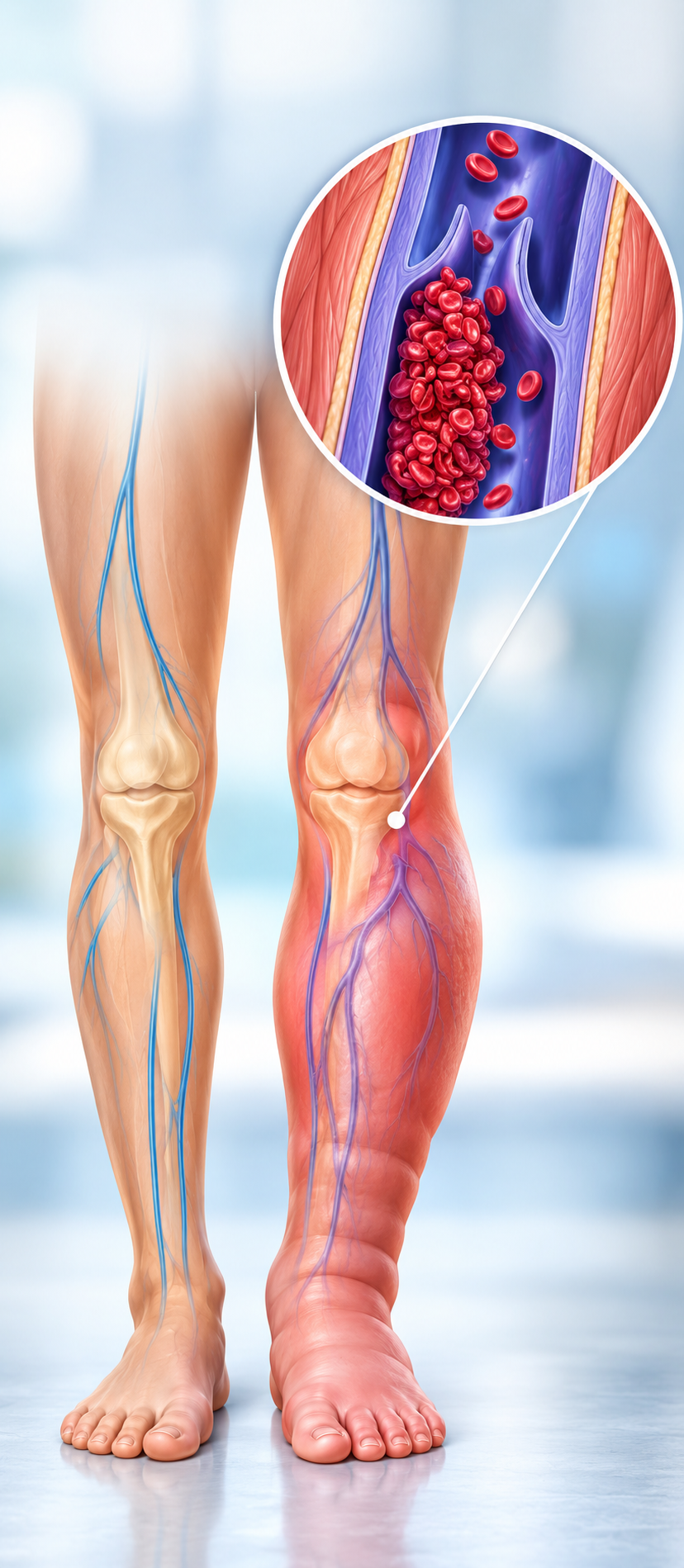
Deep vein thrombosis diagnosis and vascular assessment DVT Diagnostic Assessment
Laboratory Evaluation

D-dimer Test

A D-dimer blood test measures clot-degradation fragments and may support the diagnostic assessment when DVT is suspected based on the clinical evaluation.

Advanced Imaging

Venography

Venography uses X-ray imaging with contrast dye to provide detailed visualization of the veins and help map a clot when additional evaluation is required.

Advanced Treatment Options

Comprehensive Treatment for Deep Vein Thrombosis

Treatment is tailored to the location and severity of the clot, the risk of complications and the patient's overall condition. Management may include blood-thinning medication, clot-directed procedures and supportive compression therapy when appropriate.
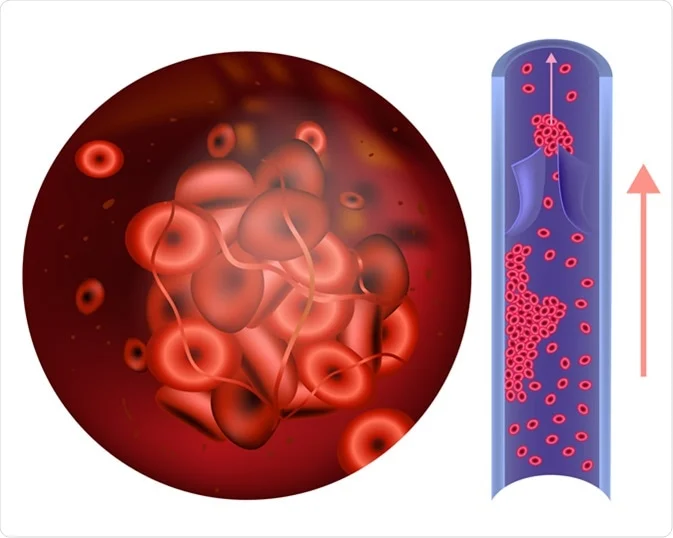
Anticoagulant Medication for Deep Vein Thrombosis
01
First-Line Therapy

Anticoagulant Medication

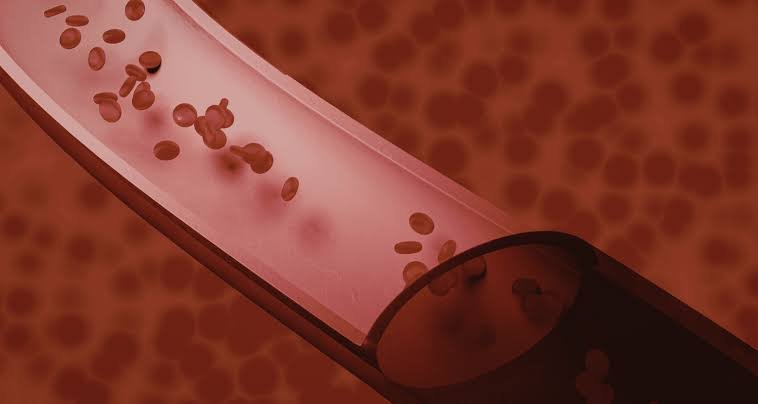
Blood thinners prevent clot growth and reduce the risk of embolism. Anticoagulation is commonly used as first-line treatment for appropriate patients with confirmed DVT.
Key Benefits
  • First-line therapy
  • Usually oral medication
  • Reduces recurrence risk
Thrombolysis for Deep Vein Thrombosis
02
Clot-Dissolving Therapy

Thrombolysis

Catheter-directed delivery of clot-dissolving medication can help break down selected clots more rapidly and may be considered in severe DVT when appropriate.
Key Benefits
  • Rapid clot breakdown
  • Used for severe DVT
  • Helps restore blood flow
Mechanical Thrombectomy for Deep Vein Thrombosis
03
Device-Assisted Treatment

Mechanical Thrombectomy

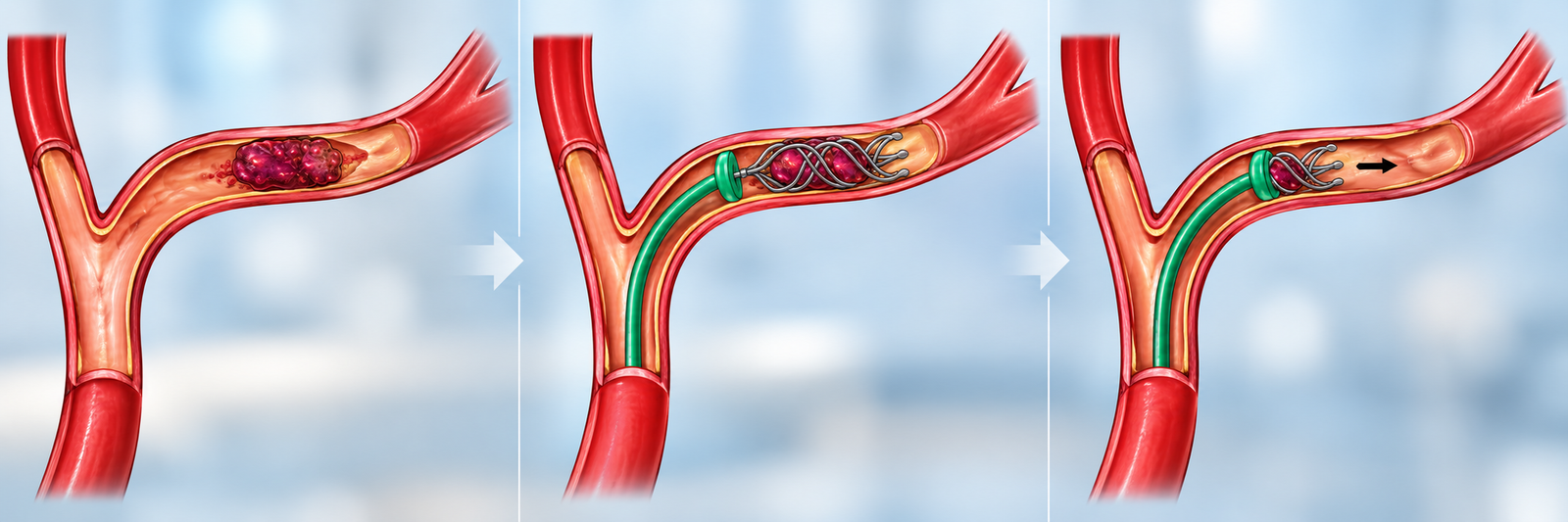
Device-assisted removal of large clots may be considered in severe cases to clear the affected vein, improve blood flow and reduce the effects of an extensive venous obstruction.
Key Benefits
  • Immediate clot removal
  • Helps restore circulation
  • Minimally invasive approach
IVC Filter for Deep Vein Thrombosis
04
Embolism Protection

IVC Filter

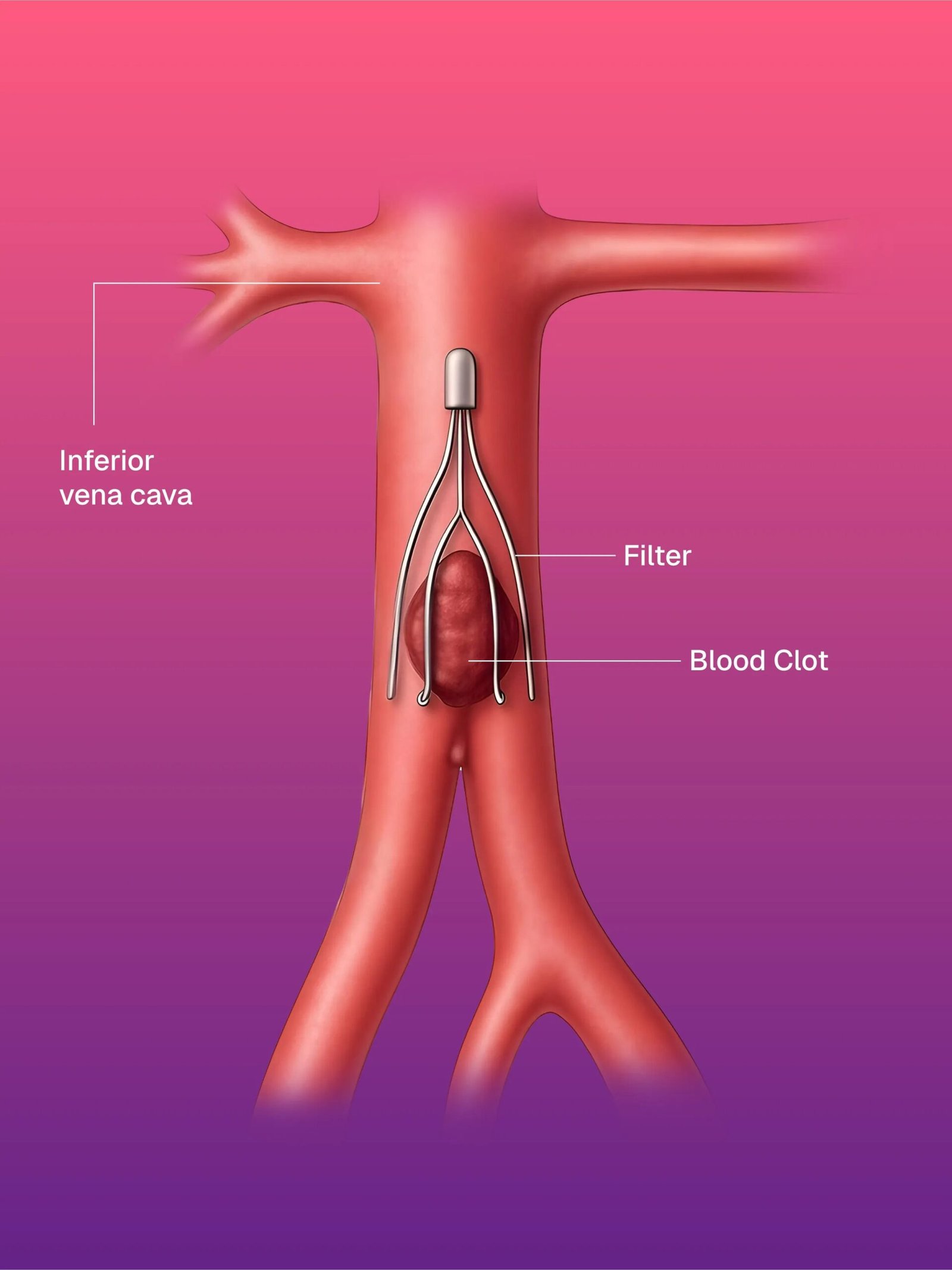
A filter placed in the inferior vena cava can catch travelling clots before they reach the lungs and may be considered for selected patients who cannot take blood-thinning medication.

Key Benefits
  • Prevents pulmonary embolism
  • Option when anticoagulation is unsuitable
  • Protects against travelling clots
Compression Therapy for Deep Vein Thrombosis
05
Supportive Therapy

Compression Therapy

Medical compression stockings can support venous circulation and help reduce swelling and leg discomfort. Their use is tailored to the patient's condition and treatment plan.

Key Benefits
  • Helps reduce swelling
  • Relieves leg discomfort
  • Supports venous circulation
Book Your Appointment

Let's Talk About Your Vein Health

If you are experiencing sudden leg swelling, calf pain or tenderness, warmth, skin discoloration, heaviness or other concerning symptoms, schedule a vascular evaluation to assess the possibility of deep vein thrombosis and determine the appropriate treatment approach.

Specialist Consultation

Discuss your symptoms and concerns during a focused vascular consultation.

Individual Assessment

Your symptoms and clinical findings can be assessed to understand the possibility and extent of venous clot formation.

Treatment Discussion

Appropriate treatment options can be discussed based on your examination and diagnostic findings.

Request a Consultation

Fill in your details and our team will get in touch with you regarding your appointment.

Your information is submitted securely for appointment coordination.
Scroll to Top